
The Highest Quality Tutoring Anywhere
Mathematics
-

Elementary Math (3rd to 6th grade)
The best time to start getting ahead is early. Whether you want math remediation or a customized plan for acceleration, the time to start is now.
-

Prealgebra
Building a solid prealgebra foundation is critical to success in all the math subjects that follow. Help your child gain precious momentum at the time in their life when they’ll decide whether they love math.
-

Algebra I
The single most important class in your child’s lifelong math development. Mastering the many new challenges in this class will set the trajectory for your child’s performance throughout high school as well as their scores on standardized tests such as the SAT and the ACT.
-

Algebra II
The most highly requested topic for students seeking tutors, and it’s no wonder. This is the first truly difficult math class for most, and passing it is required if you want to graduate high school. We help students of all levels thrive through this definitive challenge.
-
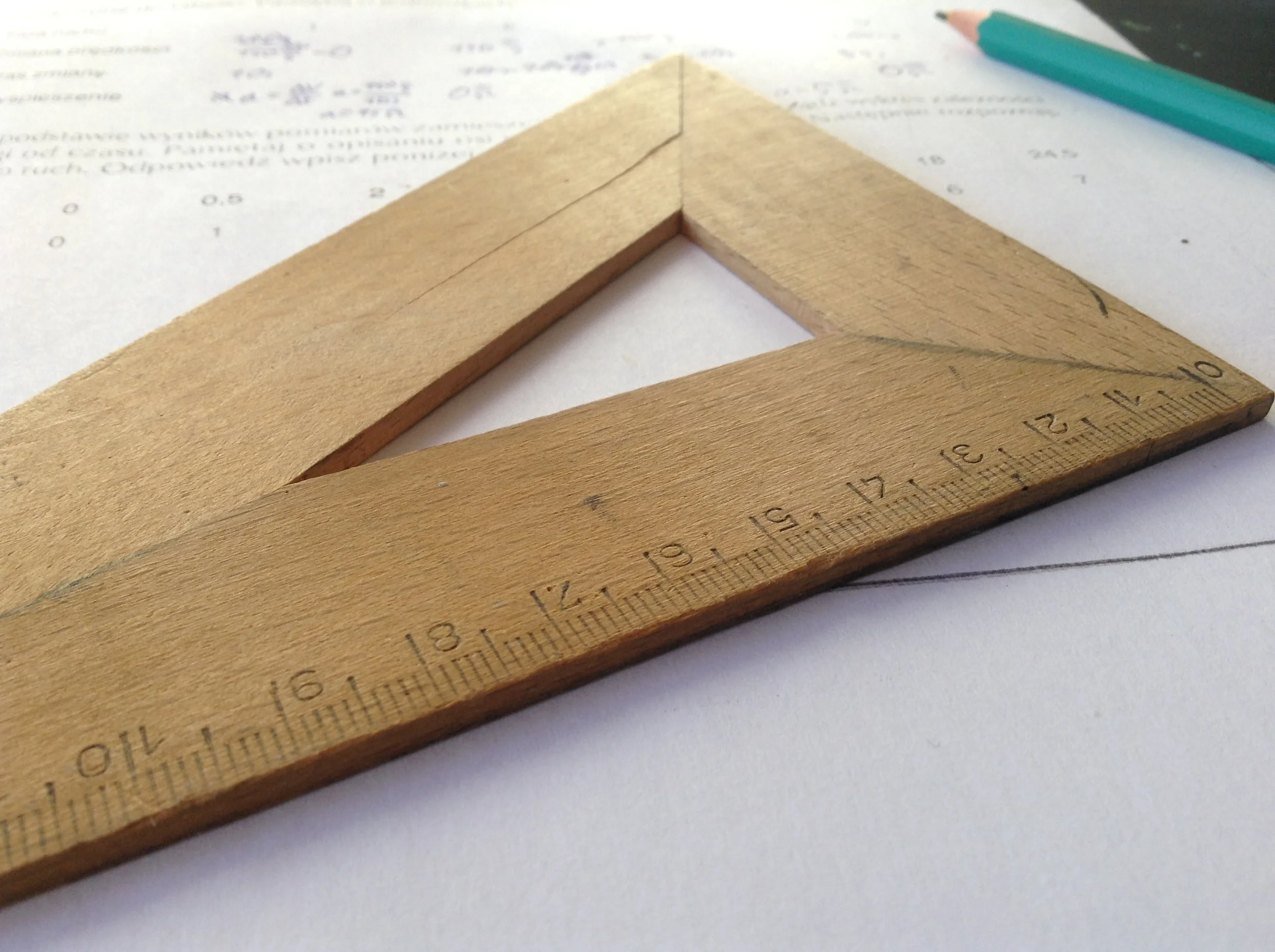
Geometry
“You’re either an Algebra person or a Geometry person.” For those whose who struggle with Geometry’s demanding and specific ways of thinking that emphasize 3D rotation, spatial reasoning, and proof logic, help will go a long way.
-
Precalculus/Trigonometry
Algebra II on steroids (and usually) with trigonometry. For the first time, bright students find themselves struggling with math. Trigonometry requires a profound understanding of the deeper math at hand in order to be handled properly. We’ve helped hundreds of students attain that exact understanding.
-
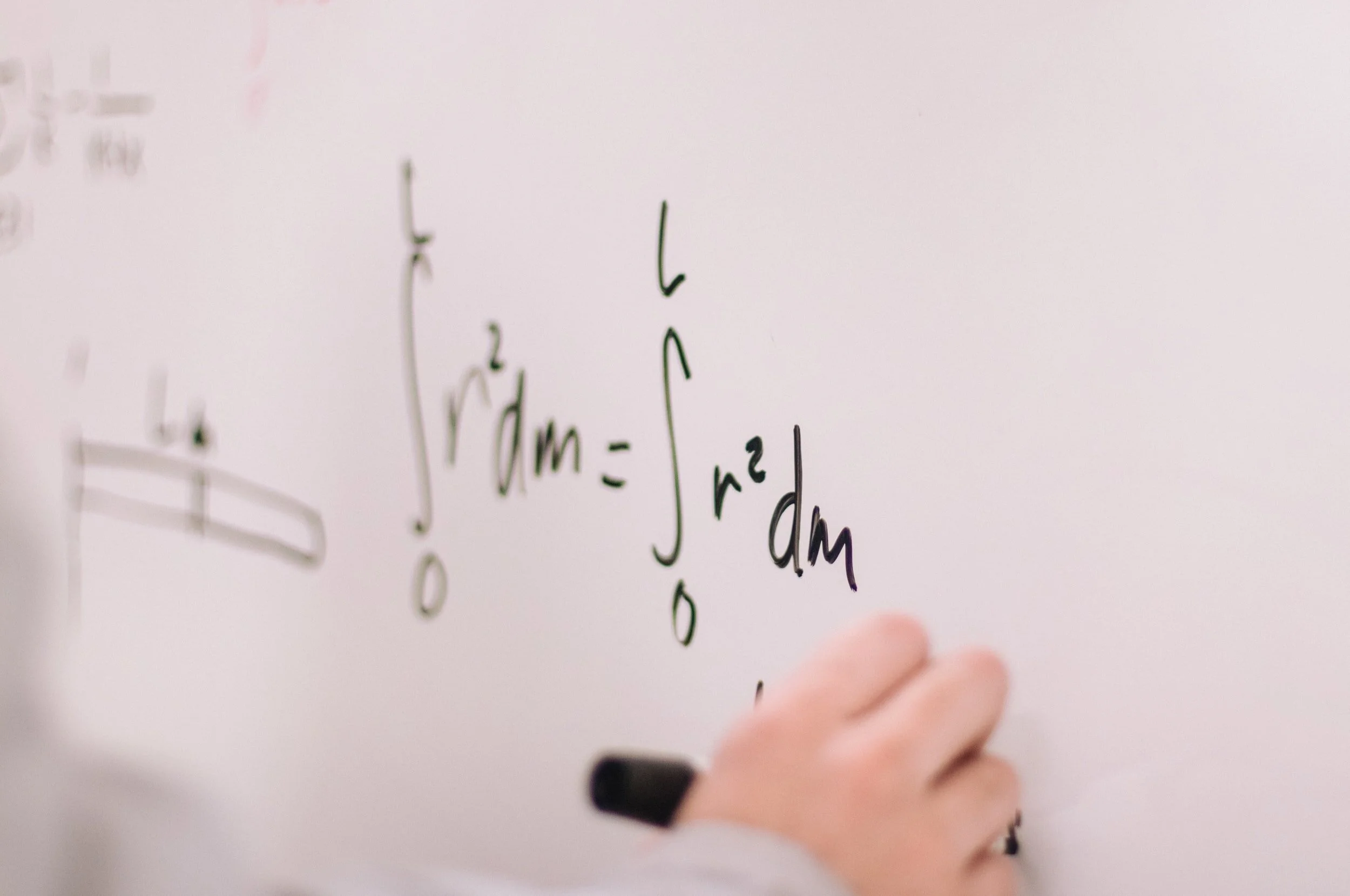
Calculus I AB/BC
Calculus presents itself as an entirely new math discipline, and so requires an entirely thorough comprehension of its implications. It is dense, difficult, and beautiful… Truly grasping it is a life experience we like to share.
-
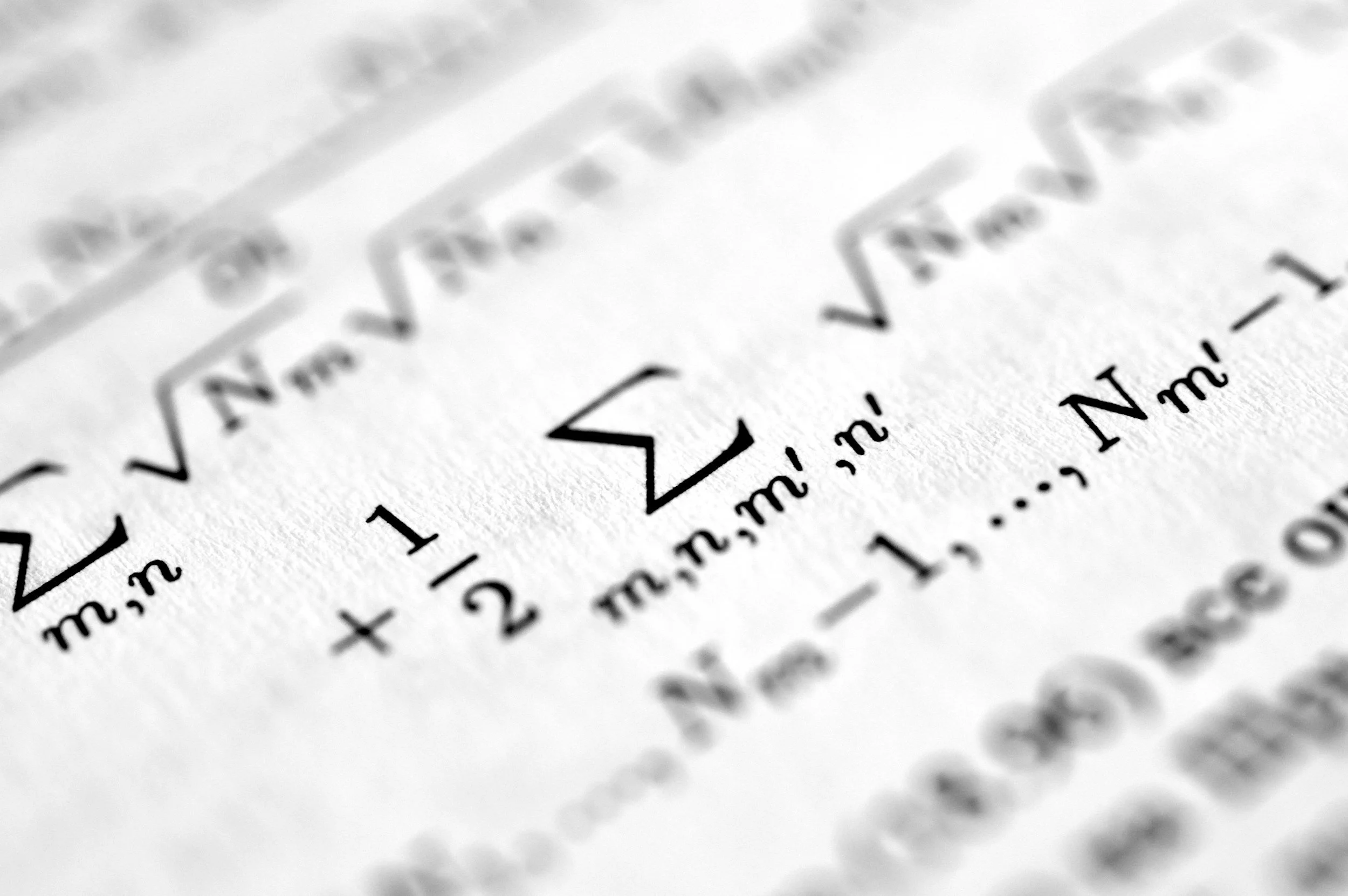
Calculus II
The bridge between single-variable calculus and higher mathematics. Integration techniques, sequences and series, and parametric equations demand both technical precision and conceptual flexibility. Many students who excelled in Calculus I struggle here—the material is less intuitive, more abstract, and requires deeper pattern recognition. We help students build the mathematical maturity to handle the complexity.
Science
-
Middle School Science
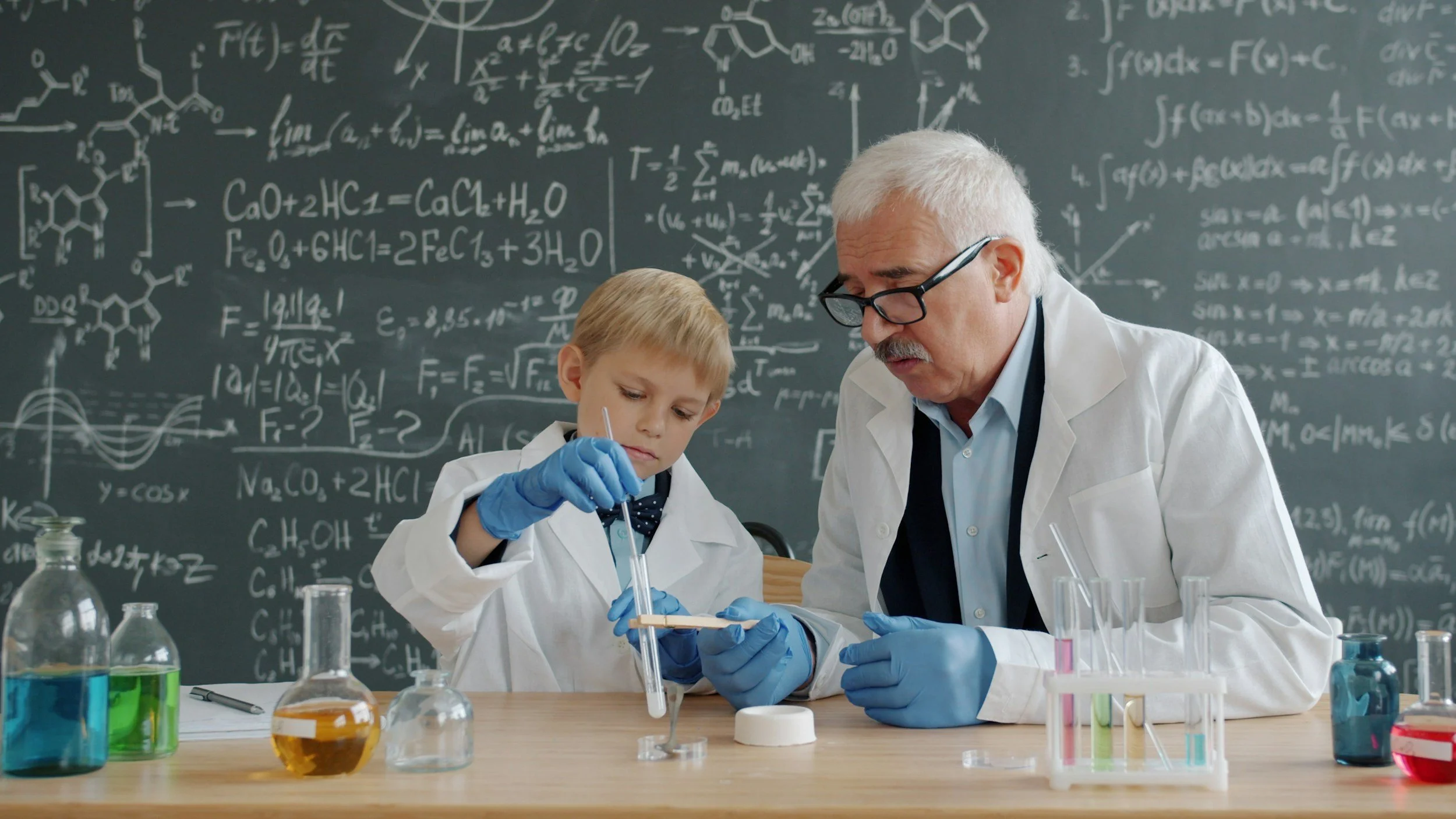
Science becomes real when curiosity meets understanding. Middle school is where students learn to ask questions, design experiments, and think systematically. Building strong foundations now—in scientific method, data analysis, and critical thinking—prepares them for the specialized sciences ahead and develops problem-solving skills that extend far beyond the lab.
-

Biology
The study of life connects students to themselves and the world in ways no other science can. Biology requires both memorization and deep conceptual understanding. Students who struggle often get lost in vocabulary without grasping underlying patterns. We help students see the elegant logic that makes biological systems predictable and comprehensible.
-
Chemistry
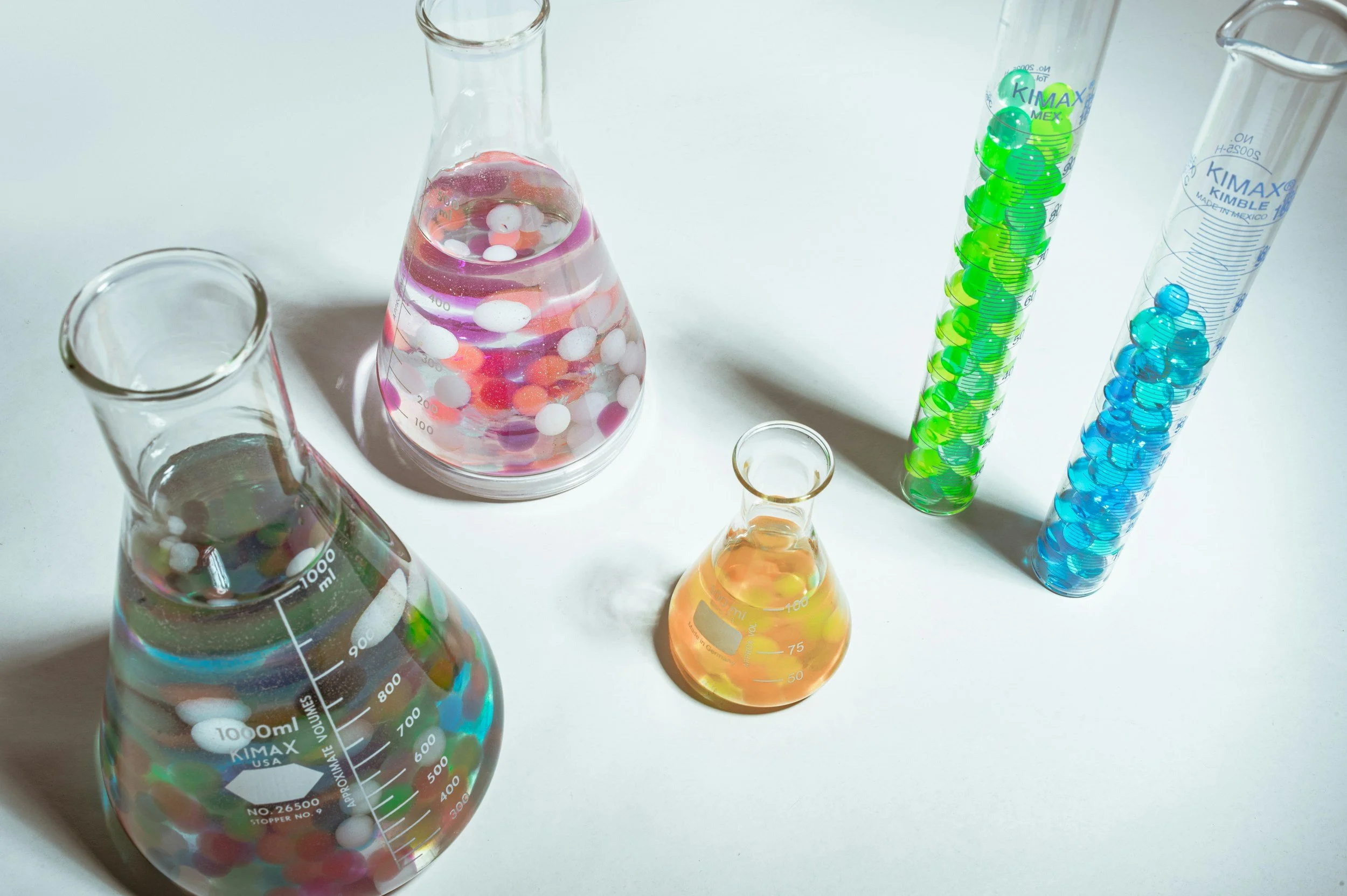
Chemistry bridges physics and biology, explaining the material world at its most fundamental level. Success requires equal parts conceptual understanding and mathematical reasoning—balancing equations, calculating stoichiometry, visualizing molecular structure. Many students hit a wall when abstract concepts meet problem-solving. We help them build the mental models and mathematical confidence to master both.
-

Physics
Physics describes the universe in the language of mathematics. For some students, this feels natural and elegant. For others, it's deeply challenging—requiring entirely new ways of thinking about motion, energy, and forces. We help students develop the physical intuition and mathematical tools to see the patterns that make physics beautiful rather than bewildering.
English and Foreign Languages
-

English
Strong reading and writing skills open every door. Whether your child needs help with literary analysis, essay organization, grammar fundamentals, or college applications, developing confidence with language pays dividends across all subjects and throughout life. We help students find their voice, sharpen their thinking, and express themselves with clarity and precision.
-

French
Learning a language is learning to think differently. French builds cognitive flexibility, cultural awareness, and communication skills that extend beyond vocabulary and grammar. Whether your child is struggling with conjugations, building conversational confidence, or preparing for AP exams, consistent support makes the difference between frustration and fluency.